

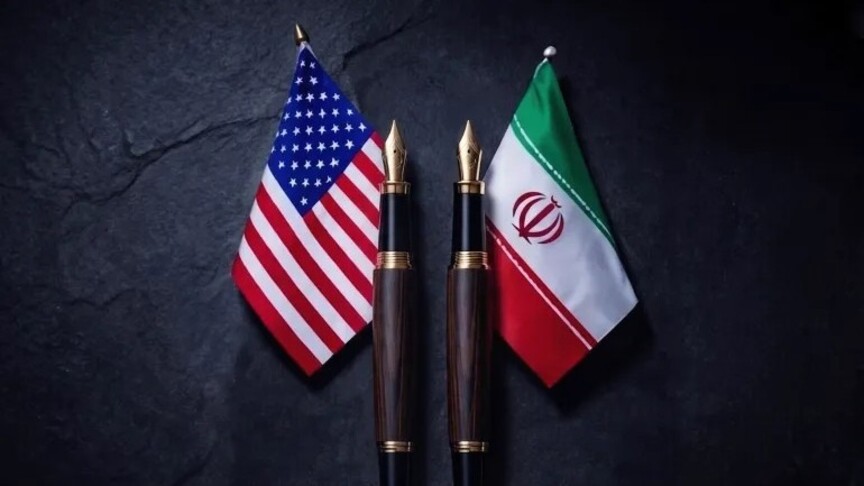
Diplomatic efforts led by Qatar and Pakistan continue to revive negotiations between the United States and Iran, with discussions in Doha and efforts to reach understandings regarding Iran's nuclear program, sanctions, and navigation security in the Strait of Hormuz. These moves come amid Israeli reports of US preparations to launch a new military attack on Iran following the midterm congressional elections scheduled for November 3.
Draft Details and Mediation
The Saudi "Al Arabiya" channel revealed an initial working draft for a proposed negotiation framework, including mutual steps to address nuclear, economic, and security differences. The draft includes discussing an early Iranian commitment regarding its highly enriched uranium stockpile, including the possibility of transferring it to a third country or lowering its enrichment level, according to technical arrangements and verification measures agreed upon by both sides.
The draft also proposes reopening the Strait of Hormuz to international maritime navigation within seven days of reaching a preliminary understanding, through daily reciprocal confidence-building measures. Mediation is exploring the possibility of China playing a role as a guarantor for implementing any potential agreement, with a phased timeline for the simultaneous implementation of commitments, such that each Iranian measure is matched by a US measure to ease sanctions.
Obstacles and Internal Divisions
Despite talk of progress, the "Axios" website quoted a US official stating that the talks face two main obstacles. The first is the insistence of President Donald Trump's administration on Iran making concessions regarding its nuclear program as a condition for resuming negotiations. The second involves Tehran's demand for the US to lift the naval blockade first, release its frozen funds, and allow it to sell oil.
The website revealed divisions within the Trump administration, where Defense Secretary Pete Hegseth and Secretary of State Marco Rubio doubt the possibility of reaching a nuclear deal and prefer increasing military pressure. In contrast, Vice President JD Vance and envoys Steve Witkoff and Jared Kushner support resuming negotiations, while Trump doubts Iran's readiness to agree to a deal he considers acceptable.
Military Escalation and Regional Pressures
The Israeli Broadcasting Authority reported that President Trump plans to resume attacks on Iran one day after the US elections, and the Trump administration has informed Gulf states of its preparations to launch a "swift and powerful" attack on Iran next week. Israeli Prime Minister Benjamin Netanyahu is pushing for a joint attack with the United States, while Qatari mediators are trying to convince Iran to allow UN inspectors to visit its nuclear facilities that were bombed.
Israeli Channel 13 reported that the Israeli army is on maximum alert, with US aircraft carrying weapons and interceptor missiles arriving in Israel and other countries in the Middle East. Egypt, Turkey, Iraq, Pakistan, and Saudi Arabia urged Iran to resume negotiations before the US elections, and leaders of Saudi Arabia and Turkey called on President Trump to give diplomatic efforts more time.
Historical Background
The United States and Israel began military attacks on Iran on February 28 last year, to which Tehran responded by targeting Israel and US positions, before reaching a ceasefire agreement in April. On June 18 last year, Washington and Tehran signed a memorandum of understanding regarding freedom of navigation in the Strait of Hormuz, but its implementation stalled due to disagreements concerning the security of the strait.
Source: Anadolu Agency
Comments (0)