

Loan Details and Budget
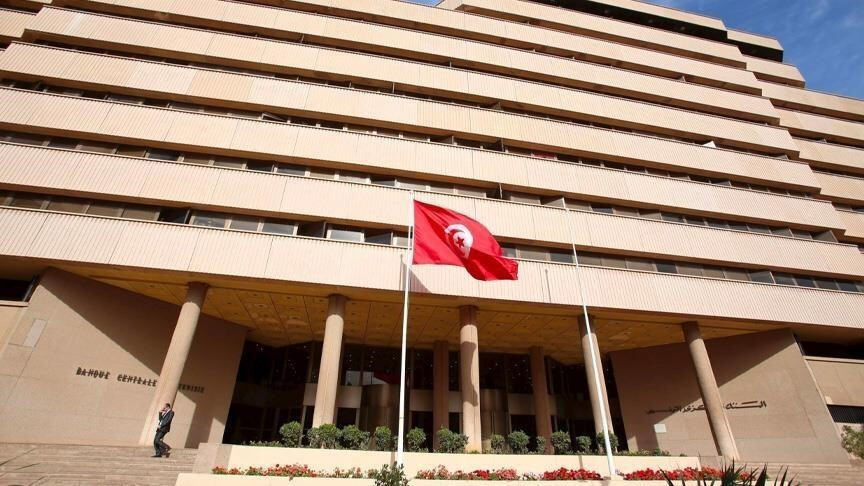
The draft budget for Tunisia in 2027 shows the government's intention to borrow approximately $9.3 billion to finance state expenditures and public treasury needs, including a direct loan from the Central Bank worth up to $3.26 billion. The government plans to mobilize $6.68 billion from domestic loans, $2.29 billion from external loans, in addition to $466 million from other unspecified financing sources. The project estimated the total 2027 budget at approximately $22.96 billion, compared to $21.19 billion in 2026, an increase of 8.37 percent.
Union and Expert Warnings
The Tunisian General Labor Union warned against the state's continued reliance on direct monetary financing from the Central Bank, considering it a "high-risk temporary solution." The Union pointed out that stopping these facilities could raise the domestic borrowing ratio from 1.7 percent to 6.5 percent of GDP, potentially forcing the state to increase reliance on resources from Tunisian banks, thereby crowding out the private sector. For his part, Tunisian University economics professor Rida al-Shakandali warned of inflationary risks resulting from injecting liquidity without real productive backing, which could erode the purchasing power of the Tunisian dinar.
Parliamentary Stances and Economic Conditions
For his part, Essam Chouchane, a member of the Finance Committee in the Chamber of Deputies, expressed reservations about the state's continued recourse to the Central Bank to finance the budget deficit, describing the decision as wrong and harmful to the national economy. These warnings come at a time when Tunisia recorded an annual inflation rate of 5.6 percent in September 2026, compared to 5.4 percent in the previous August. At the end of last July, the Tunisian Central Bank kept the main interest rate unchanged at 7 percent, citing inflation risks arising from energy price fluctuations.
Source: Anadolu Agency
Comments (0)